
What happened to Lisbon?
Plus, a good Rome hotel review, NYC's power lunch spot, and Yayoi Kusama nostalgia

The Lisbon I visited nearly 20 years ago would be unrecognizable today, but its evolution—from underrated to trembling under the weight of overtourism—is an easily recognized one.
When I first wandered into its shops and restaurants, little English was spoken—if I remember correctly, guide books suggested using French as an intermediary. A reflection, perhaps, of a former time when the second language taught in American schools was primarily French. “The language of diplomacy,” we were assured, without anybody actually explaining how or why that mattered.
The Baixa, that neat grid in the center made up of Pombalian edifices that today has been wholly ceded to the worst of mass tourism, felt then like the functioning heart of a city, albeit a very sleepy one.
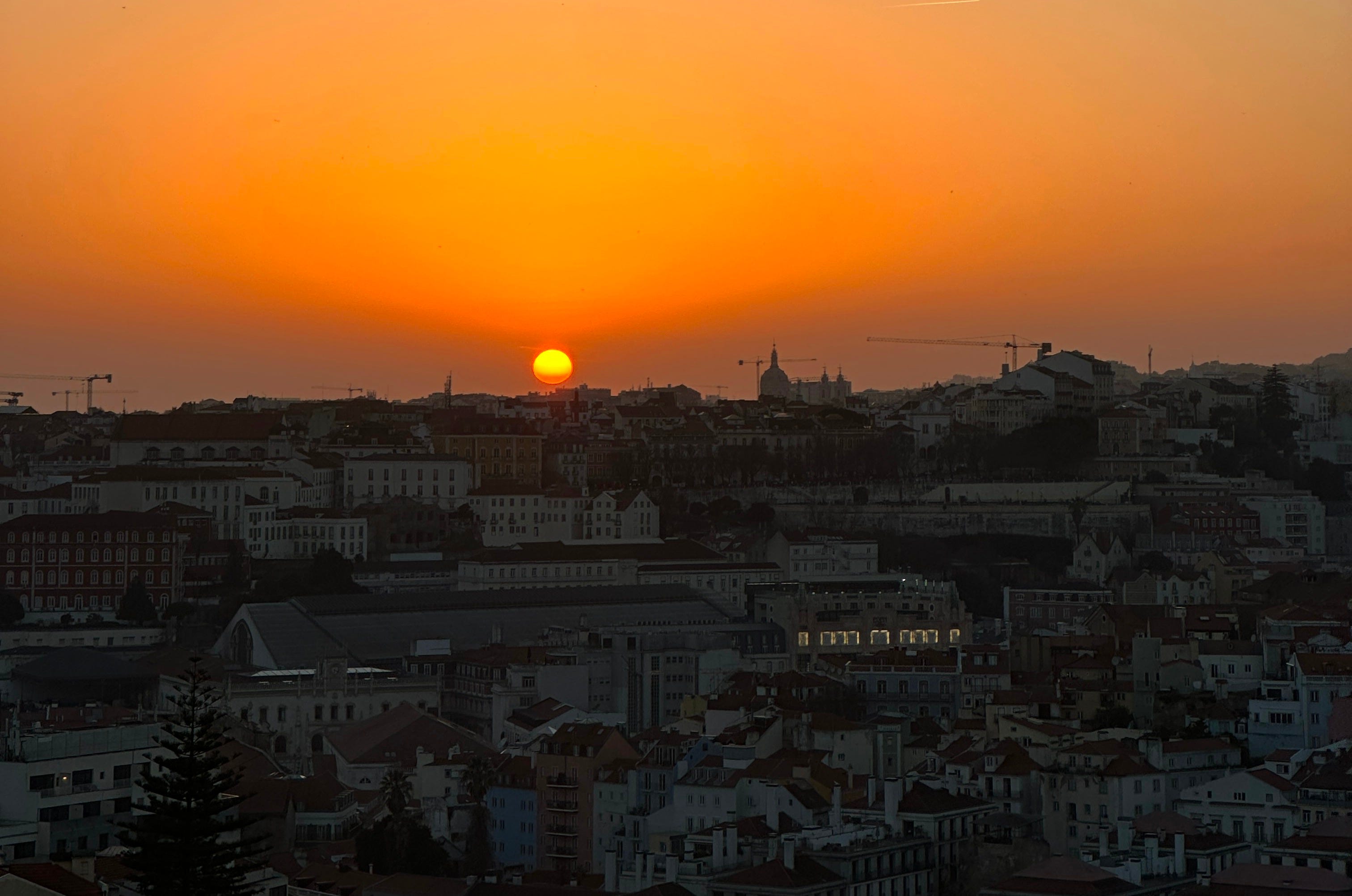
When my boyfriend and I chased the sunsets all those years ago up the hilly streets of the Alfama, we felt like we’d made some wrong turns. The twists of the road did not reveal other giddy tourists, but rather grumpy men leaning out for a smoke, stooped old ladies dragging their shopping caddies, and lines of laundry out to dry. (The last of which made us Americans, whose laundry was never in the public domain, feel like we were intruding.) Nowadays, Alfama positively teems with foreigners each night. A steady stream of invasive ants rushes up those same hilly streets and spills out onto every terrace and vantage point to snap photos of the sunset over the city and the mighty Tagus.
On the opposite side of the Baixa from Alfama is the Bairro Alto. Walking here with its little pubs with live music—often the sounds of Portugal’s former colonies—once felt like a revelation. Now, the cool stuff has moved farther uphill. There’s a pretty good chance that what we were experiencing wasn’t cool all those years ago, but because we were one of the few Americans, it felt cool.
And going out to Belem was a hike, a tram ride past a number of derelict neighborhoods. But sidling up inside the historic Pastéis de Belém was easy, with no wait. Now, the journey to Belem is filled with new condo buildings, museums, and fancy international schools. Pastéis de Belém has a rope line and a hyper-efficient takeaway shop. The pastel de nata still holds up, though three is now my limit, whereas before it was a half-dozen.
At drinks one night, I remarked to a friend that I grew up in the heart of the Portuguese community in America (Rhode Island). “You must have had a lot of good Portuguese food!” he replied. I laughed instinctively, but trailed off as it hit me—there weren’t any Portuguese restaurants back home that I knew of. I grew up with a myriad of Moniz, Da Silva, Chaves, Ferreira, Gomes, and so on and yet could not name a single special dish they made, unlike the Italian, Irish, French, and Greek families. Until eating pastel de nata, if you’d asked me to name a Portuguese dish, I could only have proffered chorizo. (Which I grew up pronouncing “sha-REES” like the Portuguese, a pronunciation that I still think sounds better than “sho-REE-zo.”)
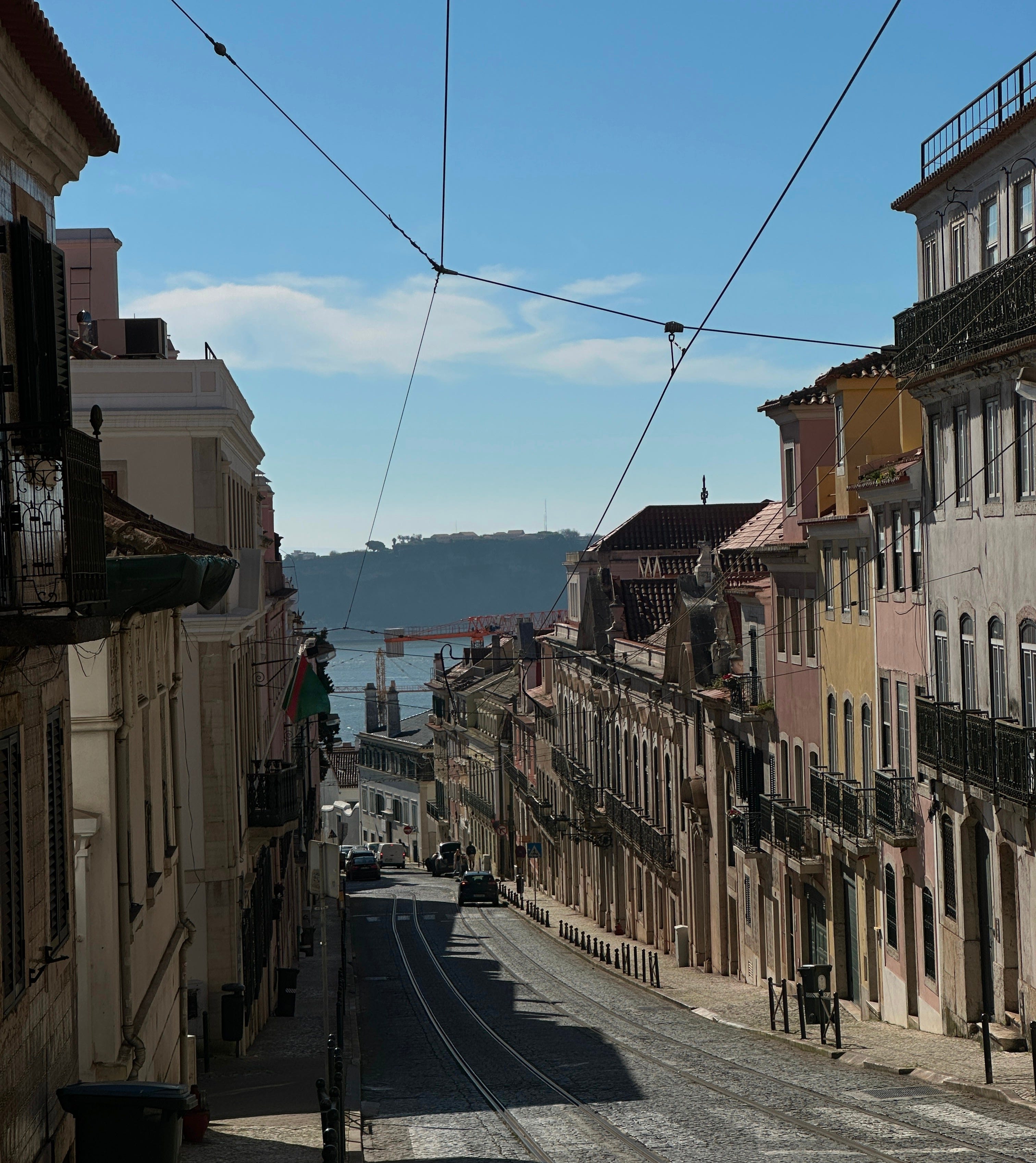
It’s not just tourists, though, that have reshaped Lisbon. It’s one of the destinations of choice for digital nomads, particularly for those in the tech/crypto world. The beguiling neighborhood of Lapa—a sort of Montmartre meets Pac Heights—is now in expat clutches. Or, at least, that’s how everybody I talked to sees it.
Roughly 30 million people visited Portugal last year. Half that number in 2010. Obvious are the ways Lisbon has changed as a result.
But most remarkable is the way it hasn’t. The energetic entrepreneurial escapees of the world have done little to shake the city of its somniferous qualities. The city I had once found sailor-y, misty, hardy, and restrained compared to other European capitals is still misty and restrained. It’s not just its inhabitants seemingly put to sleep by this city. Even its own buildings seem to slumber, unaware of their own former flamboyance.
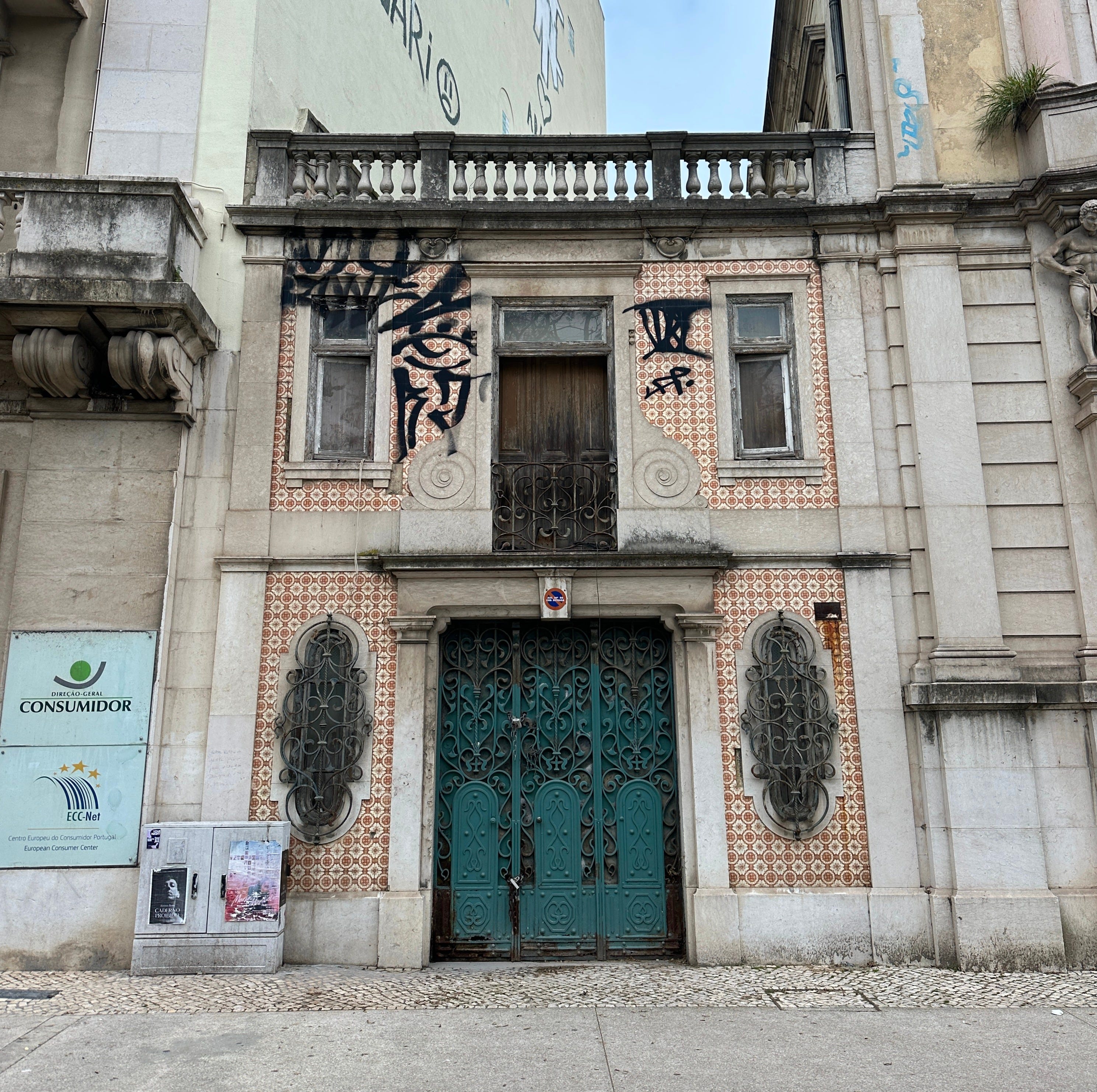
For all the concerns about housing—and they are valid—a lot of buildings are just sitting empty. Waiting for the families or the state that owns them to allow their rebirth.
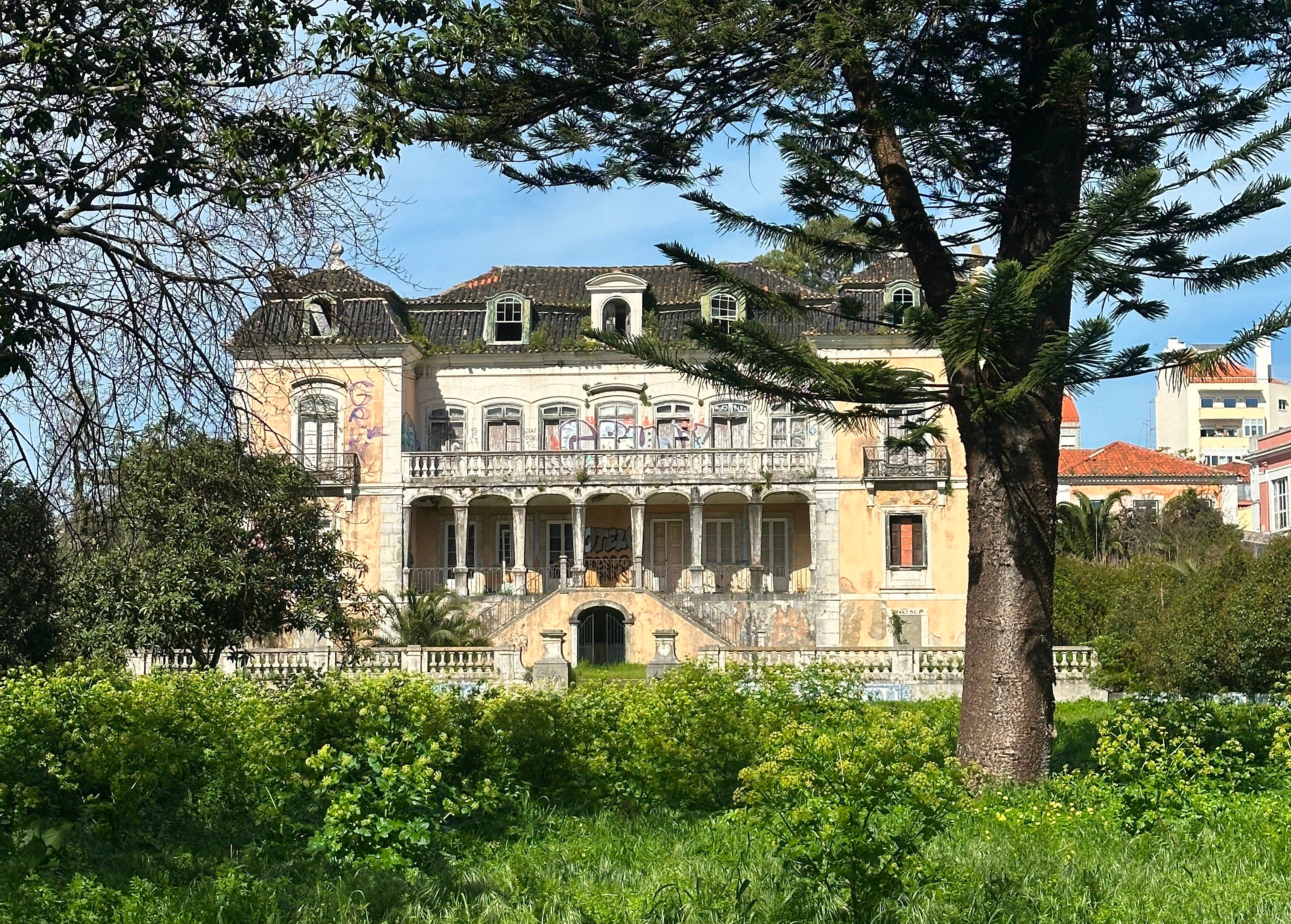
“It’s like an old abandoned kingdom,” one person wrote to me on Instagram as I posted a series of photos from my peripatetic day.
Which is exactly how I felt all those years ago.
DEPARTMENT OF GRIEVANCES
Maybe the Lisbon column just had me feeling nostalgia, but it feels like only yesterday that nobody moved museum crowds like Yayoi Kusama. Her Infinity Rooms were instant draws in the Instagram-dominant 2010s, and you could hardly go a week without seeing somebody in one. That hasn’t been the case for so long that when I saw the story about the Museum Ludwig in Cologne hosting an exhibition with 300 works of hers, it felt … dated? It’s not the right word, but what I’m trying to say is there isn’t the same frisson of excitement to her. The type of spectacle-as-art that has come to dominate so much of our visual world has sort of made looking at her work a bit like going through the Medieval section of a museum.
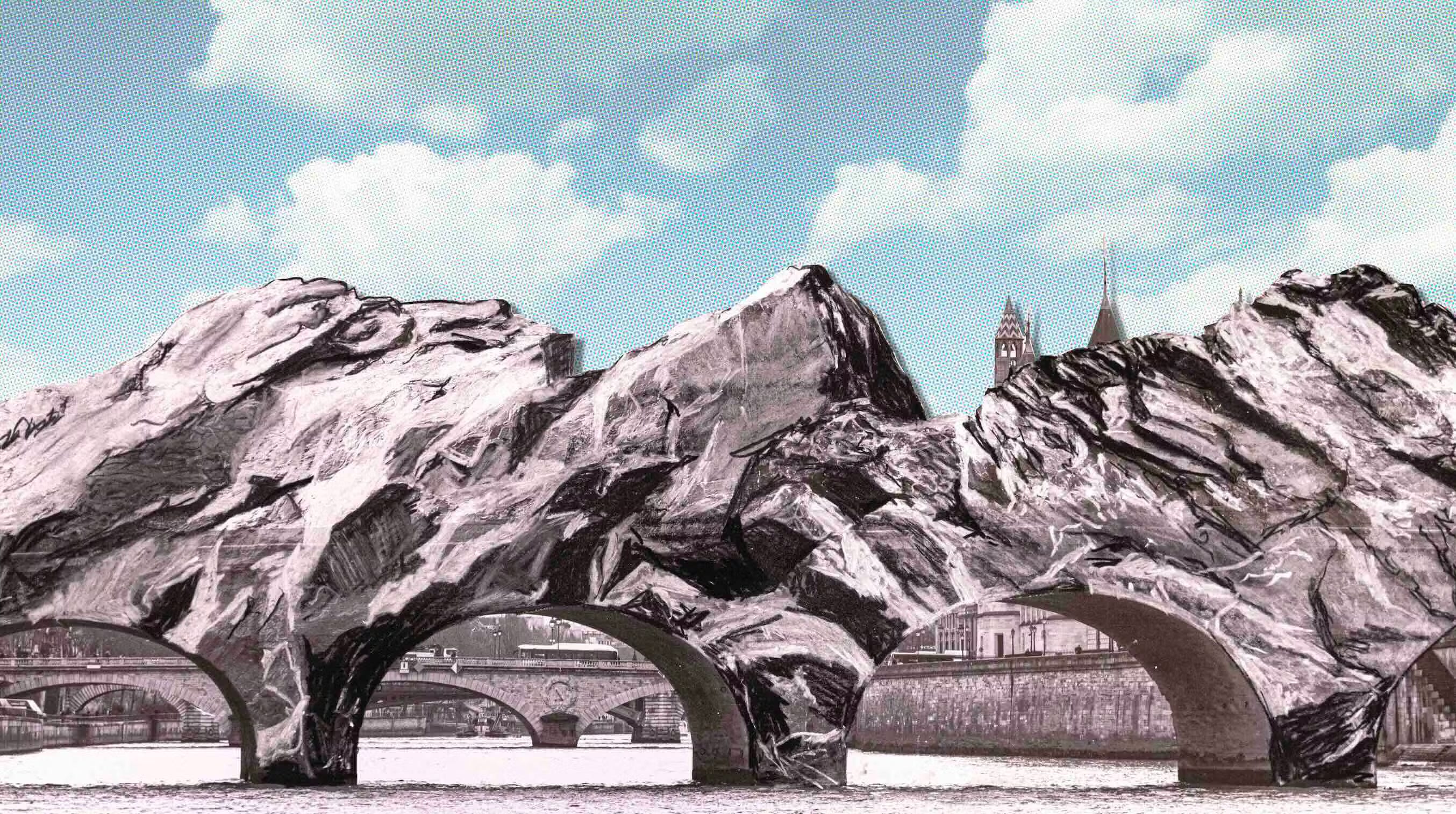
Speaking of spectacle-as-art. JR, “the French Banksy",” has revealed plans for the tribute to Christo and Jeanne-Claude’s wrapping of the Pont Neuf in the 1980s. Now, the revolutionary bridge will be returned to its pre-carved state—or at least that’s how the artist describes it. La Caverne du Pont Neuf will run from June 6-28. I am holding fire for now…
There are some absolute atrocities in the proposals for a new landmark in Rotterdam. For instance, the MVRDV proposal which looks like something out of The Land Before Time or Avatar, would probably look horrible in winter??


What is most remarkable to me about the DHS shutdown that led to the ill-thought-out suspension of Precheck and Global Entry (which are funded by fees that people directly pay) and now to gobsmacking TSA lines at some airports is how blithely we all seem to be taking it?
This:

A tip of the hat to the folks at One Mile at a Time for their coverage of a recent change in the Marriott Bonvoy program. As many of you know, I’m very negative about most hotel rewards programs because of the inflated redemption levels. A room at a nice hotel in a nice city costs—it seems to me—an insane amount of points. So Marriott’s new change that got lots of buzz allowing people to top off an award night with 25,000 points is described thusly by One Mile at a Time: “This is a positive change, but it’s hard to get too excited.”
The absolute hammering that the American ski industry took this year due to lackluster snow has exposed numerous cracks. One of the biggest being the vulnerability of companies like Alterra (Ikon Pass), whose soon to be ex-CEO (a former chairman of Ticketmaster) made things so laughably expensive that editors of travel publications for the past few years have ensured their readership numbers with evergreen stories about how much cheaper it is to fly to Europe and ski. One can only imagine the numbers of potential skiers in younger generations that were lost because of the greed.
I’ve always appreciated the line in European churches between the secular experiences (climbing the tower or visiting its treasures) and the spiritual (the church itself) where the former costs money and the latter doesn’t. Well, that seems to be going away as the Cologne Cathedral will start charging visitors to the church.
There are so many contradictions in this interview given by Hilton’s CEO Chris Nassetta that I don’t even know where to start. I’d say watch/read it for yourself but I think you’ll find it painful in its inconsistent logic and wishful/willful thinking about what will make the domestic American travel situation better.
Love a hotel review that actually reviews, and the FT’s look at the new Corinthian in Rome by Maria Shollenbarger does just that: “The Corinthia, Rome: former Bank of Italy building plays it safe.” Money quote is as follows, “The 60 rooms and suites are less engaging design-wise — safe bordering on anodyne, as is sadly the way of so many top-tier hotels in 2026.”
STORIES I LIKED OR WISH I’D DONE
It’s not a story, but if you happen to be in Chicago in the next couple weeks go see Bruce Goff: Material Worlds at the Art Institute for me since I can’t…
The paucity of chic stays in Egypt has long been a problem, so cool to see a new spot in Fayoum Oasis get treatment in the FT. (The owner’s are the same pair behind Luxor’s Al Moudira Hotel.)
I once wanted to launch a series at The Daily Beast on the power lunch spots in each of the world’s major cities. I’d be much more interested as a people-watcher to see where the movers and shakers of Mumbai, Istanbul, and Buenos Aires eat every week than whatever fussy Michelin tasting menu caught the eye of food critics. Alas, it never happened, but I loved the Wall Street Journal’s “New York’s New Power Lunch Is on the 37th Floor of an Office Building” about Coco’s at Colette.
Love a story that I knew absolutely nothing about, like Skift’s “How Montreal Quietly Became the World’s Second-Most-Important Travel Tech Hub.”
TRAVEL INDUSTRY NEWS
The iconic Duke’s Malibu has reopened
American Airlines’ new lounge at Austin will have an outdoor terrace
Southwest Airlines is ending all its flights out of Dulles and O’Hare
Brazil’s Gol Airlines to launch its first-ever New York flights with new Rio route
Toronto’s Billy Bishop Airport just got a U.S. Customs pre-clearance facility